Maintaining Glass Damage Aid Expert Technicians
Why Arborists Matter: All-Inclusive Care for Peak Tree Health and Safety.
Tree specialists fulfill a key purpose in preserving the well-being and security of trees. Their specialized knowledge covers areas like tree biology, pest control, and structural integrity. Regular maintenance is essential for preventing potential hazards and promoting growth. Yet, many property owners overlook the signs of tree distress that could result in severe outcomes. Grasping the services of an arborist can drastically improve the duration and appearance of landscapes. What are the key services they provide?
Knowing the Purpose of Arborists

Although many people appreciate the beauty of trees, not many realize the essential part that arborists play in ensuring their well-being. Arborists are highly trained individuals skilled in the knowledge and practice of tree care. They have extensive knowledge of tree biology, ecology, and the different elements that affect tree growth and stability. They inspect trees for evidence of sickness, pest infestations, and weak points in the structure, making certain trees flourish in their environments. They also promote the ecological benefits of trees, such as carbon sequestration see information on this and wildlife habitat, stressing their value in urban planning and environmental conservation. By implementing best practices in tree care, arborists help improve the overall health of urban forests and landscapes. Their knowledge is crucial in informing the community about responsible tree stewardship, fostering a greater appreciation for trees and the core function they play in the ecosystem.
Essential Services Provided by Arborists
Arborists offer a diverse selection of crucial offerings that help maintain the health and safety of trees. An important service is tree pruning, which requires cutting away dead or diseased branches to encourage development and mitigate risks. Arborists also conduct tree assessments, evaluating the condition and structural integrity of trees, pinpointing possible dangers, and recommending appropriate actions. Furthermore, they offer tree installation, guaranteeing trees are located in appropriate spots with optimal dirt composition to thrive
Another critical service is managing pests and diseases, in which tree experts determine the issues and apply treatment protocols to protect the trees (Florence Arborist). Moreover, many arborists perform tree removal when necessary, safely dismantling hazardous trees to lessen hazards to property and people. To conclude, they offer consultation services, teaching clients on tree maintenance and care methods that promote vigorous growth. In summary, these services are essential for upkeeping rural and urban settings
The Benefits of Regular Tree Maintenance
Consistent tree care provides many advantages that boost the trees' well-being and the safety of the environment around them. By providing steady maintenance, such as trimming and thinning, trees can develop more strongly, which permits better light access and air circulation. This promotes sound structural growth and decreases the threat of pests and diseases. In addition, regular maintenance assists in removing dangerous or dead limbs, decreasing the likelihood of property damage or personal injury during periods of strong wind.
In addition, well-maintained trees contribute positively to the aesthetic appeal of landscapes, increasing property value. They also promote biodiversity by creating homes for a variety of species. Engaging professional arborists ensures that maintenance practices are performed correctly, using their knowledge to judge the health of the tree and apply appropriate treatments. Taken together, regular maintenance fosters a safer environment while boosting the lifespan and health of trees, benefiting both the ecosystem and the community.
Recognizing Symptoms of Tree Stress
What are the ways to tell when a tree is suffering? Recognizing signs of tree distress is essential for preserving tree safety and health. Important signs involve wilting or yellowing leaves, which may point to inadequate hydration or deficiencies in nutrients. In addition, a large number of falling leaves can be a sign of stress, especially in the growing months. Changes in bark texture, such as cracking or peeling, often point to hidden issues, including pest infestations or disease. An unusual number of dead branches, particularly if they are widespread, points to declining vitality. Moreover, a compromised root structure, evidenced by leaning or exposed roots, can jeopardize a tree’s structural integrity. Finally, the appearance of fungal growth around the bottom of the tree suggests the possibility of decay. Early recognition of these indicators, tree owners can take appropriate action to mitigate risks and ensure the tree remains healthy, securing the safety and lifespan of their trees.
Selecting the Ideal Arborist for Your Specific Requirements
When hiring a tree professional, what factors should one consider to ensure they are the right match for their tree care needs? First, credentials are essential; a certified arborist should possess the requisite training and credentials in tree care. Experience also plays a significant role; those with a proven track record tend to offer superior service. Furthermore, looking at reviews and asking for references helps shed light into an arborist’s professional standards and dependability.
Another important consideration is the types of services available. Be it disease management, emergency response, or pruning, a suitable arborist must be able to address to specific needs. Moreover, it is advisable to inquire about insurance and safety practices to ensure security against potential liabilities. Lastly, getting several estimates helps determine fair pricing, enabling informed decision-making. By carefully evaluating these factors, individuals can choose an arborist who aligns with their requirements and promotes the health and safety of their trees.
FAQs
What is the Recommended Frequency for Tree Maintenance?
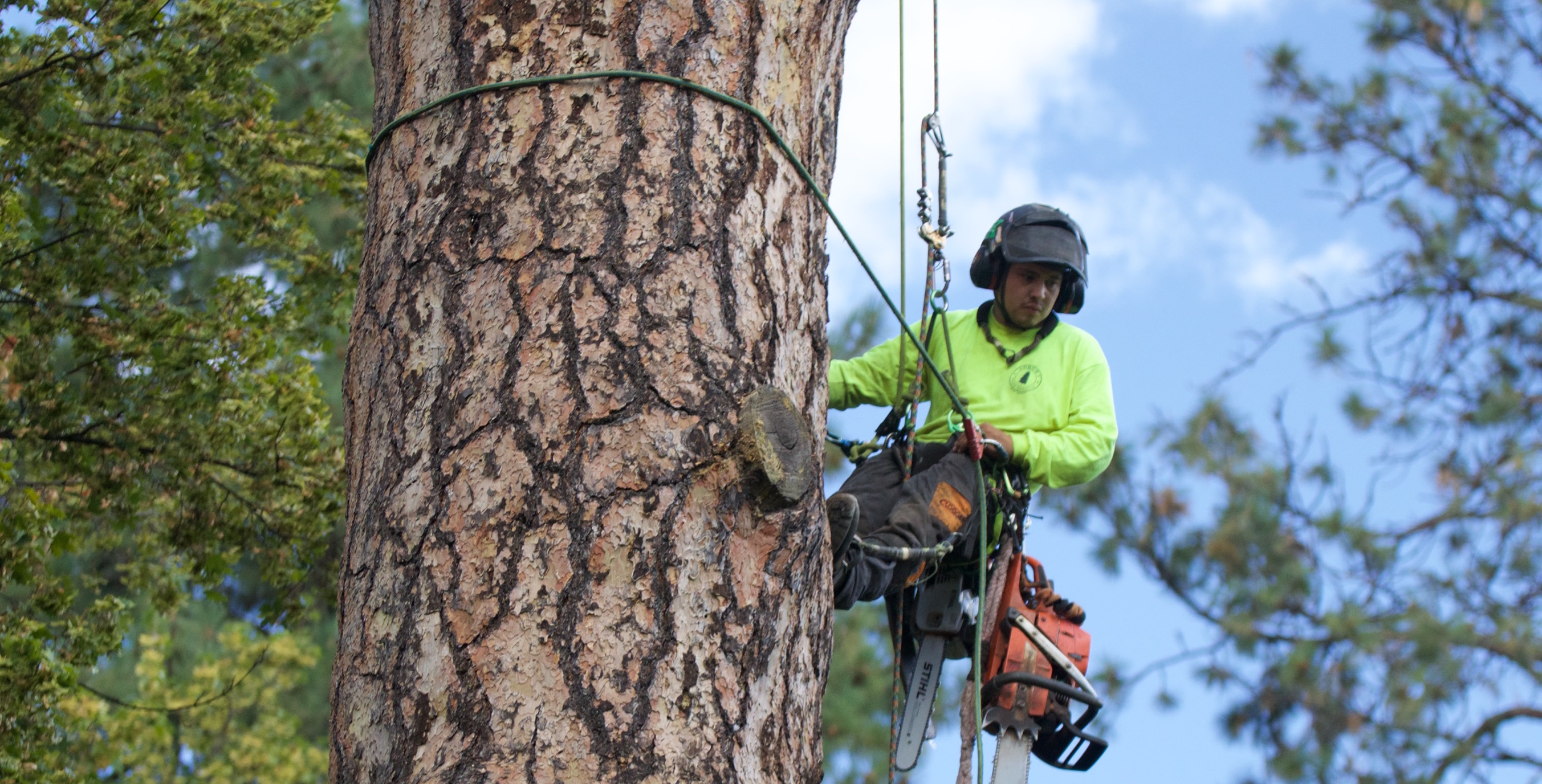
Scheduling tree maintenance is recommended at least once a year for the majority of trees (Florence Arborist). Nevertheless, individual requirements can differ based on the age, species, and climate where the tree is located, making it necessary to modify the maintenance schedule
What Certifications Should I Look for in an Arborist?
When looking to hire a tree professional, one should look for certifications such as ISA (International Society of Arboriculture) certification, accreditation by the TCIA (Tree Care Industry Association), or local licenses that show proven knowledge in tree care and safety practices.
Are Arborists Able to Assist in Planting Trees?
Absolutely, certified tree experts can aid in planting trees. Arborists offer knowledge regarding the selection of fitting species, ensuring proper planting techniques, and offering counsel on the location's environment, leading to robust growth and boosting the ecological stability of the area.
How Do Weather Conditions Affect The Management of Trees?
The state of the weather heavily affects tree maintenance. Extreme temperatures, moisture levels, and the direction of the wind influence how trees grow, well-being, and risk of infestation, requiring tailored care strategies to ensure trees flourish in varying environmental conditions.
How Much Does It Typically Cost for Arborist Services?
The standard price for arborist services usually falls between a minimum of $300 up to $1,500, influenced by elements like location, the height and girth of the tree, and how complicated the necessary work is for tree maintenance and health assessments.